|

MY DYING BRIDE ‘Turn Loose The Swans’ Peaceville (1992/2003)
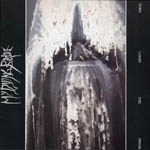
I was afraid that the day would come when I would have to write a review for an album such as “Turn Loose the Swans”, and even though I thought that I had prepared myself for such an occasion, I still find it extremely difficult to come up with the right words which will help me describe this release. No, it is not always a bad or indifferent release that is capable of bringing almost every music journalist to such a state – it is also any album whose melodies can bring to the surface a variety of strong emotions. That is exactly the kind of album that “Turn Loose the Swans” is.
My Dying Bride had shown what their true capabilities where since the very beginning of their career, but no one really expected that, only one year after the release of “As The Flower Withers”, their debut album, the band from Yorkshire would make such significant progress both in terms of compositional skills and general sound. The only two major things that happened in between those two albums were the release of a three-track EP entitled “Symphonaire Infernus Et Spera Empyrium” (1992) and their first big European tour, so how did the members of My Dying Bride manage to reach such high standards at that specific moment in time? Well, it was all due to them making all the right decisions.
First of all, they employed Martin Powell as a full-time member. No one can deny that it was his violin melodies in songs like "The Bitterness and the Bereavement" and "The Return of the Beautiful" that gave their debut album this unique colour and atmosphere. From this moment onwards, the violin will play a more significant role in the music of My Dying Bride, since it is not only just present in every single composition of the album, but also gets a leading role on quite a few occasions.
Other important improvements were both in terms of sound quality and Aaron’s vocal performances. It seems that the heavy recording schedule that was imposed on the band by their label Peaceville Records did more good than anyone would have expected. The members of the band were far more knowledgeable as to how they would achieve the unique sound that was destined to influence most of today’s atmospheric outfits, and their confidence is quite apparent in the quality of the seven compositions that are featured in this release. Aaron, on the other hand, decided to give equal chances to his passionate and deep clean vocals on these recordings, and combine them with the remarkable heavy growls that we knew that he was capable of producing from past releases. This “marriage” of different vocal styles helped in creating a constant change of emotions in every composition, and made them memorable and very enjoyable.
Since the original experiment of creating lengthy compositions proved to be quite successful, there was no reason why Stainthrope and Co should not continue in the same pattern. If you exclude “Black God”, a five minute lamentation that also features female vocals from an artist called Zena, the remaining songs of “Turn Loose the Swans” are on average eight minutes long. The first song that opens this release is “Sear Me MCMXCIII”- the basic melody of which you will all recognise for the similarly-named composition on the band’s debut album. The 1993 version of the song is far more emotional, and Aaron’s vocals, combined with a beautiful piano and violin theme, are beyond criticism.
Next is “Your River” which is another My Dying Bride classic. It may look as if the song is going to continue from where the previous composition left us, but you will soon be introduced to doomy guitar riffs, slightly progressive bass tunes and a variety of different vocals. This song indeed represents the spirit of this album. Much as I love this song, it is “The Songless Bird” that I will vote as my favourite composition from “Turn Loose the Swans”. This song has some of the best doom metal riffs ever recorded and its relatively fast tempo and the violin melody that creates a short and quite enjoyable break half way through the song is always greeted with extreme pleasure on my part. There are very few people that I know, whose taste in music I agree with or respect, that have listened to this composition and haven’t been touched by it.
Even though “The Snow in my Hand” enjoys its fair share of melodies, it is indeed one of the heaviest compositions of the album, something that cannot be said for “The Crown of Sympathy”. On top of everything else, My Dying Bride is a doom metal band, and this song is the biggest supporter of that “theory”. The same-title “Turn Loose the Swans” that follows, summarises what was presented to you in the previous compositions, and “Black God” is not only the ultimate ending to this marvellous compilation of good quality music, but also a promise of better things to come in the future. In 2003, the album was re-released in a digipack format, digitally remastered, with the addition of three extra tracks: “Le Cerf Malade” (taken from the EP “The Thrash of the Naked Limbs”, “Transcending (Into the Exquisite)” (taken from the EP “I am The Bloody Earth”) and also a live version of “You Shameful Heaven” (originally in “The Angel and The Dark River”).
The band has managed to record many remarkable albums after “Turn Loose the Swans”, but my personal opinion is that none of them managed to reach the same level as this seven-track release. What proves that the band acknowledges its importance is the fact that most of these songs are still part of the band’s live set, and are still greeted with the same excitement by their fanbase in every corner of the globe. “Turn Loose the Swans” is one of the most important releases in the history of metal and an album that you should definitely have in your collection.
*****
Review by John Stefanis
Interview
|

